How Can Pallet Racking Improve Warehouse Space?
Warehouse space is expensive, and inefficient storage can create problems long before a business actually runs out of room.Products may be stacked wherever space is available, aisles can become congested and employees may spend unnecessary time locating stock. In busy environments, poor organisation can affect not only storage capacity but also workflow, access and safety.That is where a properly planned pallet racking system can make a difference.
Racking & Shelving Ltd works across the UK and Ireland, providing storage systems designed around individual warehouses, distribution facilities, manufacturing sites and other commercial environments.Rather than simply adding more steel frames, the objective should be to design a storage layout around the stock, handling equipment, available floor area and operational requirements.
What Is Pallet Racking Used For?
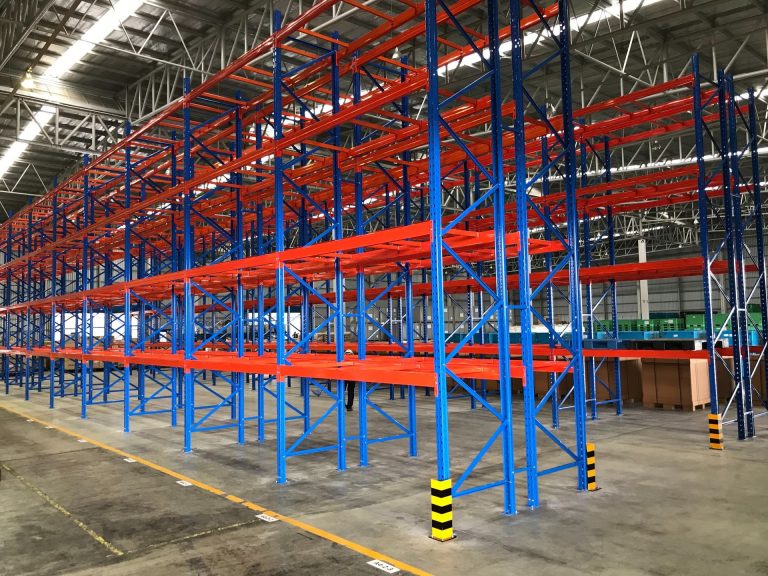
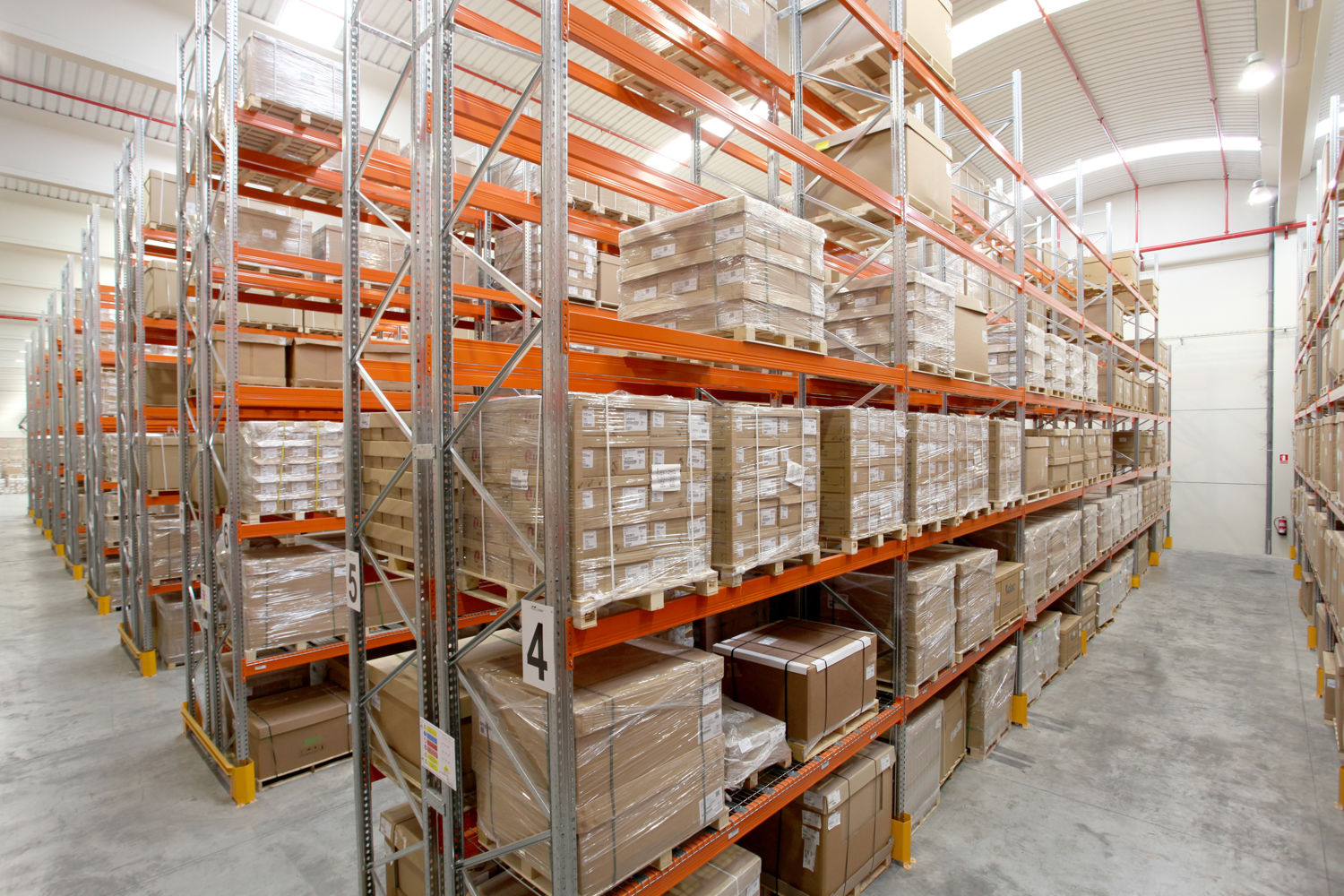
Pallet racking is designed for storing palletised goods and other heavy or bulk stock, typically where mechanical handling equipment such as forklifts or order-picking equipment is involved.The system makes use of vertical space by creating multiple storage levels.
This can allow a warehouse to organise more inventory within its existing footprint, although the amount of capacity achieved depends on the building, rack configuration, aisle widths, stock dimensions and handling requirements.A good pallet racking layout therefore begins with understanding what the warehouse actually needs to store.
Why Does Warehouse Layout Matter?
Two warehouses with the same floor area may have completely different storage requirements.One may handle standard pallets with predictable turnover. Another may store irregular components, raw materials or mixed stock.
Factors worth considering include:
- Pallet dimensions
- Load weights
- Stock turnover
- Forklift type
- Aisle requirements
- Building height
- Fire and safety considerations
- Access routes
- Future growth
This is why professional design is often more valuable than simply choosing the largest possible rack.
How Can Vertical Space Be Used More Effectively?
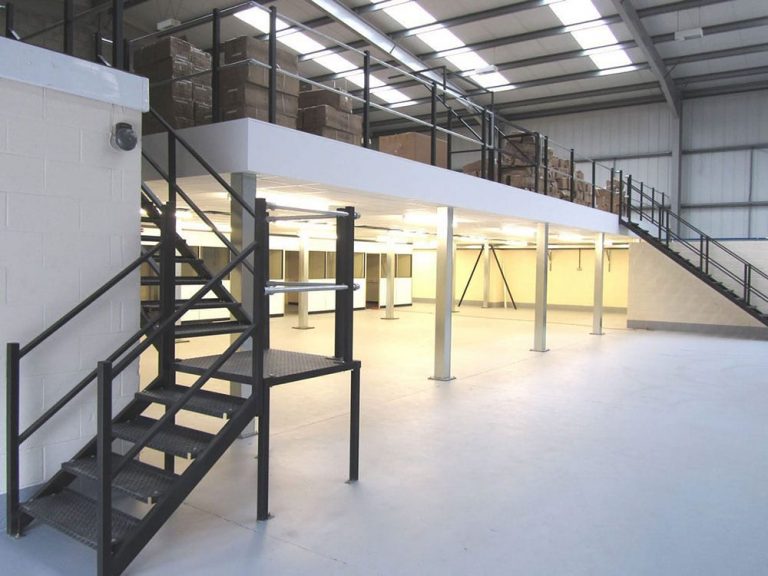
Floor space is only one dimension of a warehouse.A carefully designed racking system can use available vertical space to create additional storage levels while preserving floor area for movement and operations.
The practical limit depends on the building and equipment. Clear height, sprinkler arrangements, lighting, forklift reach and safety requirements all need consideration.A professional survey can help identify what is realistically achievable.
What Types of Pallet Racking Are Available?
Different warehouse operations may require different configurations.Racking & Shelving provides systems including adjustable pallet racking, very narrow aisle racking, push-back racking, mobile pallet racking and drive-in or drive-through arrangements.
The right system depends on how goods are stored and retrieved.For example, an operation focused on high-density storage may have different priorities from a warehouse where rapid access to individual pallets is essential.The important point is that the racking system should support the workflow rather than force the workflow to fit the racking.
Why Professional Installation Matters
Warehouse racking is a structural storage system, so installation should not be treated as a simple DIY assembly task.Professional installation helps ensure that the system is assembled correctly and positioned according to the approved design.
It also provides an opportunity to address:
- Load notices
- Rack protection
- Layout accuracy
- Structural considerations
- Safety requirements
- Future maintenance
Racking & Shelving provides design, supply, installation and ongoing support, creating an end-to-end approach for businesses that need more than a product delivered to site.
What About Existing Warehouses?
A business does not necessarily need to move premises to improve storage.An existing warehouse can potentially be reorganised through a combination of racking design, stock analysis and workflow planning.Before making changes, however, businesses should understand how the current system is being used.
Questions worth asking include:
- Which stock moves fastest?
- Which products require forklift access?
- Are some areas consistently overcrowded?
- Are aisles wide enough?
- Is vertical space being underused?
- Could storage be rearranged around picking patterns?
This information can guide a more practical layout.
FAQs
Is pallet racking suitable for every warehouse?
Pallet racking can suit many warehouse and industrial environments, but the appropriate system depends on stock, building dimensions, handling equipment and operational requirements.
Does pallet racking increase storage capacity?
It can make better use of vertical space and may increase usable storage within an existing footprint. The actual capacity depends on the building and system design.
Does Racking & Shelving provide installation?
Yes. Racking & Shelving provides design, supply and professional installation, alongside aftercare and support.
Final Thought
Effective warehouse storage is not simply about putting more products into a building. It is about creating a layout that allows stock to be stored safely, accessed efficiently and managed around the way the business operates.Businesses researching pallet racking in UK solutions should therefore consider the complete project, from survey and design through installation and future reconfiguration.