
How Industrial Shelving Can Transform a Busy Workspace?
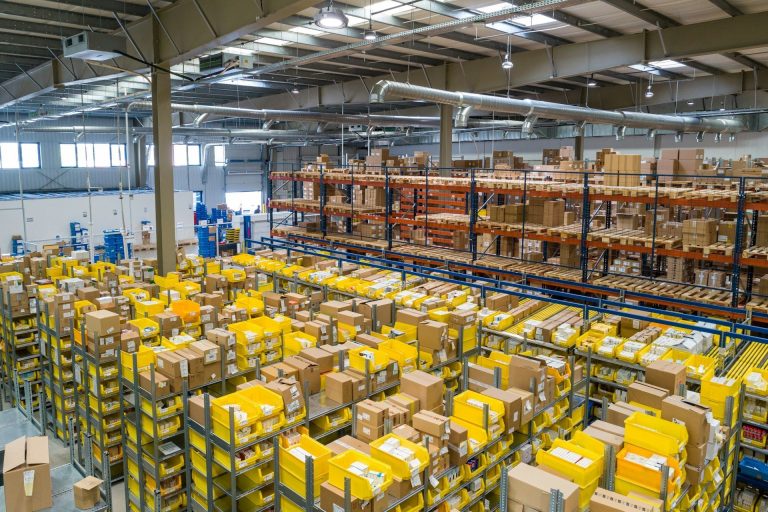
A cluttered warehouse or workshop can make even simple tasks unnecessarily difficult. When tools, stock and equipment are stored without a clear system, employees can waste time searching for items and valuable floor space may be underused.
Industrial shelving offers a straightforward way to create more organised storage without relying entirely on pallet-based systems.
What Makes Industrial Shelving Different?
Industrial shelving is generally designed for goods that can be handled manually rather than requiring forklift access.
This makes it suitable for a wide range of environments, including workshops, warehouses, factories, garages and stockrooms.
Modern industrial shelving units can include adjustable shelves, different configurations and accessories that allow the system to be adapted to the products being stored.
Start With What You Actually Store
The right shelving arrangement depends on the items that need to be stored.
Small components may need shallow shelves and clear labelling, while larger boxes or equipment may require deeper and stronger shelves.
Before installing a system, consider:
- Product dimensions
- Item weight
- Frequency of access
- Shelf height
- Available floor space
- Number of employees using the area
- Future storage requirements
This prevents a common mistake: choosing shelving based purely on how it looks rather than how the workspace actually operates.
Use Vertical Space Carefully
Shelving can help businesses make better use of vertical space without expanding their premises.
However, the highest shelves should not simply become a dumping ground for rarely used items. Frequently accessed products should remain at convenient working heights, while less frequently required stock may be positioned higher where appropriate.
Clear labelling and logical product grouping can make the system even more effective.
Heavy-Duty Storage Requires Proper Planning
Some businesses need shelving capable of handling substantial loads.
Heavy-duty industrial shelving should be selected according to the actual weight and dimensions of the products being stored. Load requirements should never be estimated casually.
RSLNI supplies industrial and heavy-duty shelving for demanding commercial environments, with adjustable configurations designed around different storage requirements.
Keep Shelving Accessible
A storage system only works well if employees can access what they need efficiently.
Consider the space between shelving rows, lighting, walking routes and how products are moved in and out.
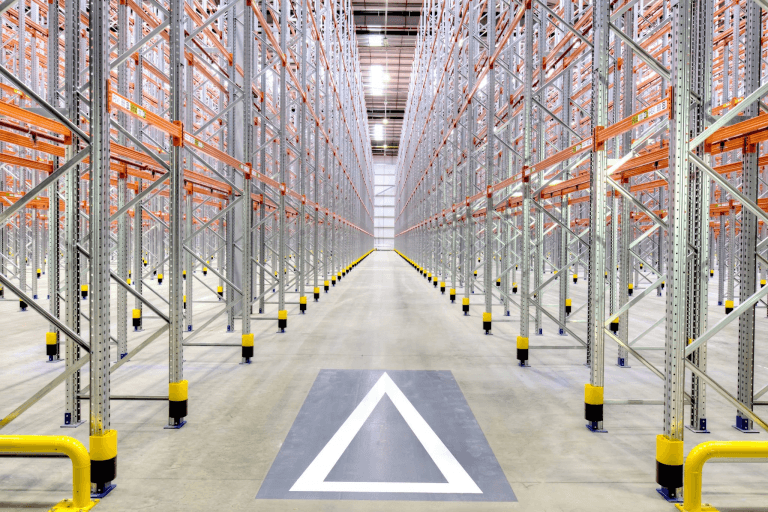
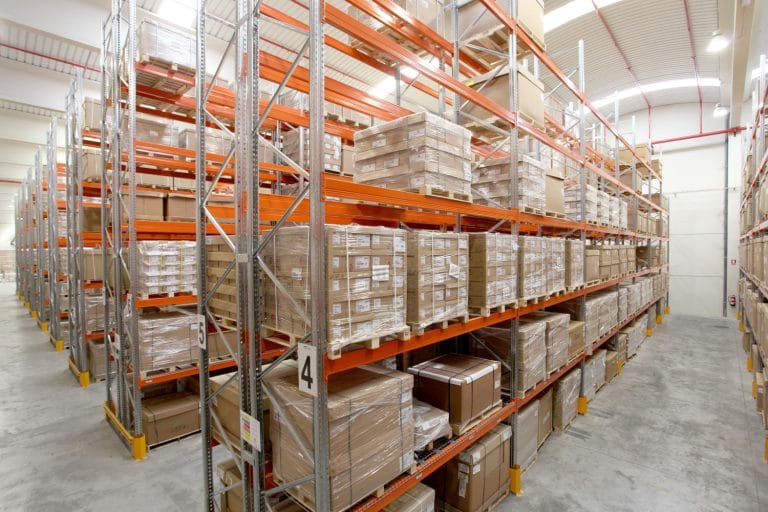
Where shelving forms part of a larger warehouse layout, it can also work alongside pallet racking. Smaller manually handled products may be kept on shelving while palletised stock is stored elsewhere.
This combination can create a more practical overall storage strategy.
Maintenance and Organisation Matter
Installing shelving is only the beginning.
Businesses should establish sensible housekeeping routines so that products remain in their allocated locations. Damaged components should also be reported and addressed rather than left within an active storage area.
Periodic checks can help identify overloaded shelves, accidental damage or changes in stock that may require the layout to be adjusted.
A Storage System That Can Grow With You
One advantage of adjustable shelving is flexibility.
Businesses rarely remain exactly the same. Product ranges change, stock levels increase and workspace requirements evolve.
A modular warehouse shelving system can make it easier to adapt storage as those requirements change.
FAQs
1. What is industrial shelving used for?
Industrial shelving is designed for storing goods that can generally be handled manually rather than requiring forklift access. It can be used in warehouses, workshops, factories, garages, stockrooms and other commercial environments for storing products, components, tools and equipment.
2. How do I choose the right industrial shelving?
The shelving should be selected according to the items being stored and how the workspace operates. Important considerations include product dimensions, weight, access frequency, available floor and vertical space, shelf configuration and future storage requirements.
3. Can industrial shelving be adjusted as storage needs change?
Yes. Many industrial shelving systems use adjustable configurations, allowing shelf levels to be changed as stock requirements develop. This flexibility can make the system suitable for businesses where product ranges, quantities or workspace requirements may change over time.
Final Thoughts
Industrial shelving is most effective when it is treated as part of the wider workflow rather than simply as a collection of shelves.By considering stock, accessibility, load requirements and future growth, businesses can create a storage environment that is easier to manage and more productive.For businesses reviewing their existing premises, industrial shelving in the UK can provide a practical way to improve organisation and make better use of available space.