The Difference Between Pallet Racking, Cantilever Racking & Longspan Shelving
- Home
- Blog
- The Difference Between Pallet Racking, Cantilever Racking & Longspan Shelving
The Difference Between Pallet Racking, Cantilever Racking & Longspan Shelving
Choosing the right storage system is critical for warehouse efficiency, safety, and long-term cost control. Warehouse racking is a general category that includes various systems designed for adaptable, high-capacity storage in commercial and industrial environments. Yet many businesses struggle to understand the differences between pallet racking, cantilever racking, and longspan shelving – and which solution best fits their operational needs.
In this guide, we explain each system clearly, outline their key benefits, and help UK businesses make an informed, compliant decision. We also highlight how racking solutions are essential for efficient organization in commercial environments.

Why Choosing the Right Racking System Matters
An effective storage system should:
Maximise available space
Improve picking efficiency
Comply with UK safety regulations (HSE & SEMA guidelines)
Support your current and future stock requirements
Take into account individual needs such as weight capacity, space constraints, and the type of items being stored
The right racking system not only meets these criteria but also helps create defined storage zones and organized workflows, improving overall efficiency. It supports efficient operations by streamlining workflows and enhancing workplace safety.
Selecting the wrong system can lead to wasted space, damaged goods, and increased health & safety risks, so investing in the right system from the start helps avoid long-term costs.
What Is Pallet Racking?
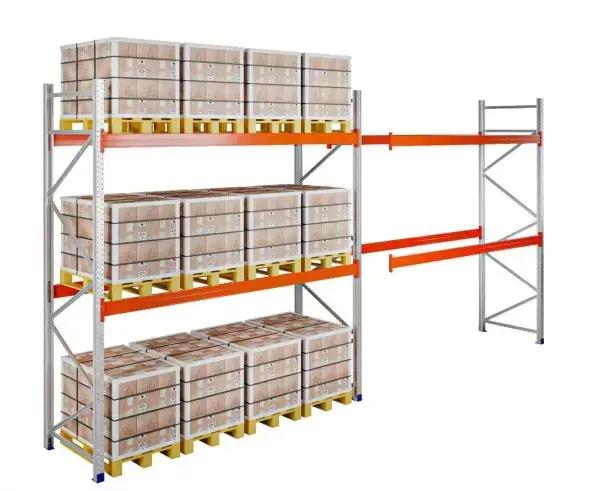
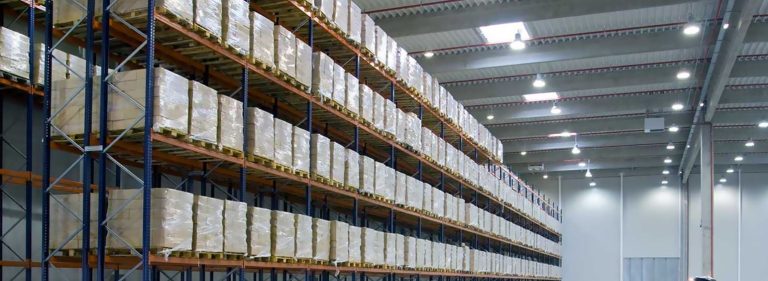
Pallet racking is the most common storage solution in UK warehouses. Pallet racking is a form of heavy duty racking designed for storing bulk stock efficiently. It is designed to suit high-volume storage needs and is typically used in industrial and warehouse environments for storing palletised goods using forklifts or other material handling equipment. Pallet racking is also suitable for storing pallet boxes and other large containers, providing versatile storage options for a wide range of items.
Key Features of Pallet Racking
Stores goods on pallets
Accessed using forklifts
Highly scalable and configurable
Modular units can be combined or adjusted to optimize storage space
Offers excellent stability with sturdy construction for safe handling of heavy loads
Designed for durability, often featuring support bars, mesh decks, and upright protectors for long-term performance
Suitable for high-volume storage
Common Types of Pallet Racking
Selective pallet racking – Direct access to every pallet
Drive-in racking – High-density storage
Push-back racking – Increased capacity with controlled flow
Pallet live (FIFO) – Ideal for perishable goods
When choosing a storage system, compare the wide selection of pallet racking types to find the best solution for your specific needs.
Best Suited For:
Distribution centres
Manufacturing facilities
High-throughput warehouses
Businesses storing uniform pallet loads
Factories
Pallet racking helps organize the workspace in these environments, improving efficiency and overall organization.
What Is Cantilever Racking?
Cantilever racking is designed for long, bulky, or awkward loads that cannot be stored on standard pallets, such as furniture.
Cantilever racking is also a practical solution for organizing long items in garage settings, such as pipes, timber, or tools.
Instead of vertical uprights at the front, cantilever systems use horizontal arms that extend from columns, allowing unrestricted access to materials. Panels can also be added to cantilever racking to accommodate certain types of loads, providing additional support and organization for irregularly shaped items.
Instead of vertical uprights at the front, cantilever systems use horizontal arms that extend from columns, allowing unrestricted access to materials.
Key Features of Cantilever Racking
Open-front design
Ideal for long and irregular items
Available in single or double-sided configurations
Suitable for indoor and outdoor use
Robust construction designed to withstand heavy loads and demanding industrial environments
Powder coated steel options available for enhanced durability and resistance to rust and corrosion
Best Suited For:
Timber merchants
Steel stockholders
Builders’ merchants
Commercial and industrial businesses storing components, pipe, tube, and sheet material
Cantilever racking is particularly popular in UK trade and industrial sectors where manual or forklift loading is required without obstruction.
What Is Longspan Shelving?
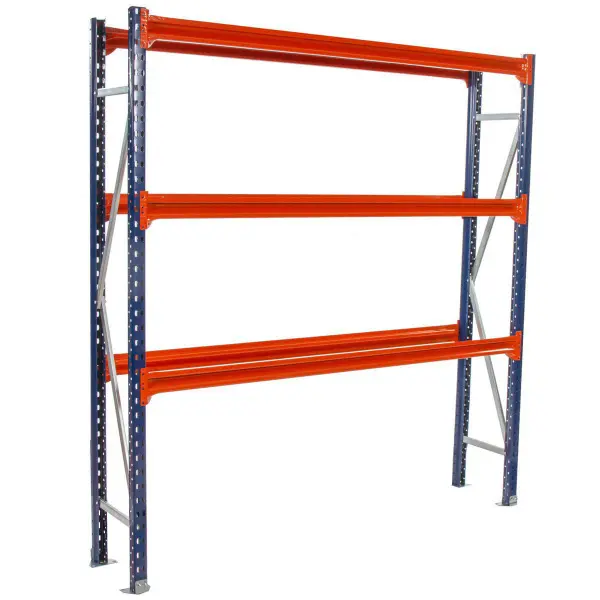
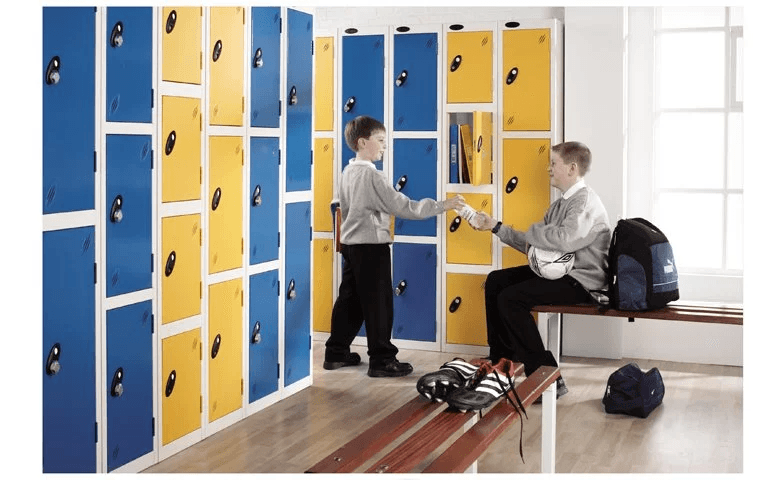
Longspan shelving bridges the gap between pallet racking and traditional shelving. As a type of shelving racking and warehouse shelving, it offers a versatile solution for medium to heavy loads that are stored manually rather than by forklift. Each shelf in a longspan shelving system is adjustable and can be configured with either metal shelves or chipboard shelves, depending on the specific storage application. Longspan shelving is ideal for storing consumables, files, and office supplies, making it suitable for both industrial and office environments. Longspan shelving can also be used alongside lockers to provide comprehensive storage solutions in workplaces.
Key Features of Longspan Shelving
- Manually loaded shelves
- Adjustable beam levels
- Higher load capacity than standard shelving
- Can be configured as shelving or low-level racking
Best Suited For:
- E-commerce fulfilment centres
- Retail stockrooms
- Archive storage
- Workshops and spare parts storage
Longspan shelving is often chosen for its flexibility, cost-effectiveness, and ease of installation.
Pallet Racking vs Cantilever Racking vs Longspan Shelving
|
Feature |
Pallet Racking |
Cantilever Racking |
Longspan Shelving |
|
Load Type |
Palletised goods |
Long & bulky items |
Hand-loaded goods |
|
Access Method |
Forklift |
Forklift or manual |
Manual |
|
Storage Density |
High |
Medium |
Medium |
|
Flexibility |
High |
Medium |
Very High |
|
Typical Use |
Warehouses |
Timber/steel storage |
Stockrooms & picking |
These three categories of storage systems—pallet racking, cantilever racking, and longspan shelving—each serve different needs. For example, if you need to store palletised goods in a warehouse, pallet racking is the best choice, while cantilever racking is ideal for long items like timber, and longspan shelving suits hand-loaded goods in stockrooms. Compare your specific storage needs to these examples to select the most suitable system.
Safety & Compliance in the UK
All racking and shelving systems in the UK should comply with:
HSE regulations
SEMA (Storage Equipment Manufacturers’ Association) guidelines
BS EN 15635 standards for steel static storage systems
Regular racking inspections and load notices are essential for maintaining compliance and protecting staff.
Which Storage System Is Right for Your Business?
Ask yourself:
Are your goods palletised or manually picked?
Do you store long or oversized items?
How often does your stock change?
Do you need scalability for future growth?
Many UK businesses use a combination of pallet racking, cantilever racking, and longspan shelving to optimise different storage zones within the same facility.
Expert Advice You Can Trust
Working with an experienced UK racking supplier ensures:
Correct system selection
Safe installation
Ongoing inspections and maintenance
Compliance with UK legislation
A professional site survey can help identify the most cost-effective and compliant solution for your space.
Conclusion
Understanding the difference between pallet racking, cantilever racking, and longspan shelving allows businesses to improve efficiency, reduce risk, and maximise return on investment.
If you’re planning a new warehouse layout or upgrading your existing storage, expert guidance can make all the difference.

Author : Rocken
Mus magna integer tortor nec montes adipiscing. Ut cursus orci cras condimentum lacus turpis congue praesent duis letius.
Latest News
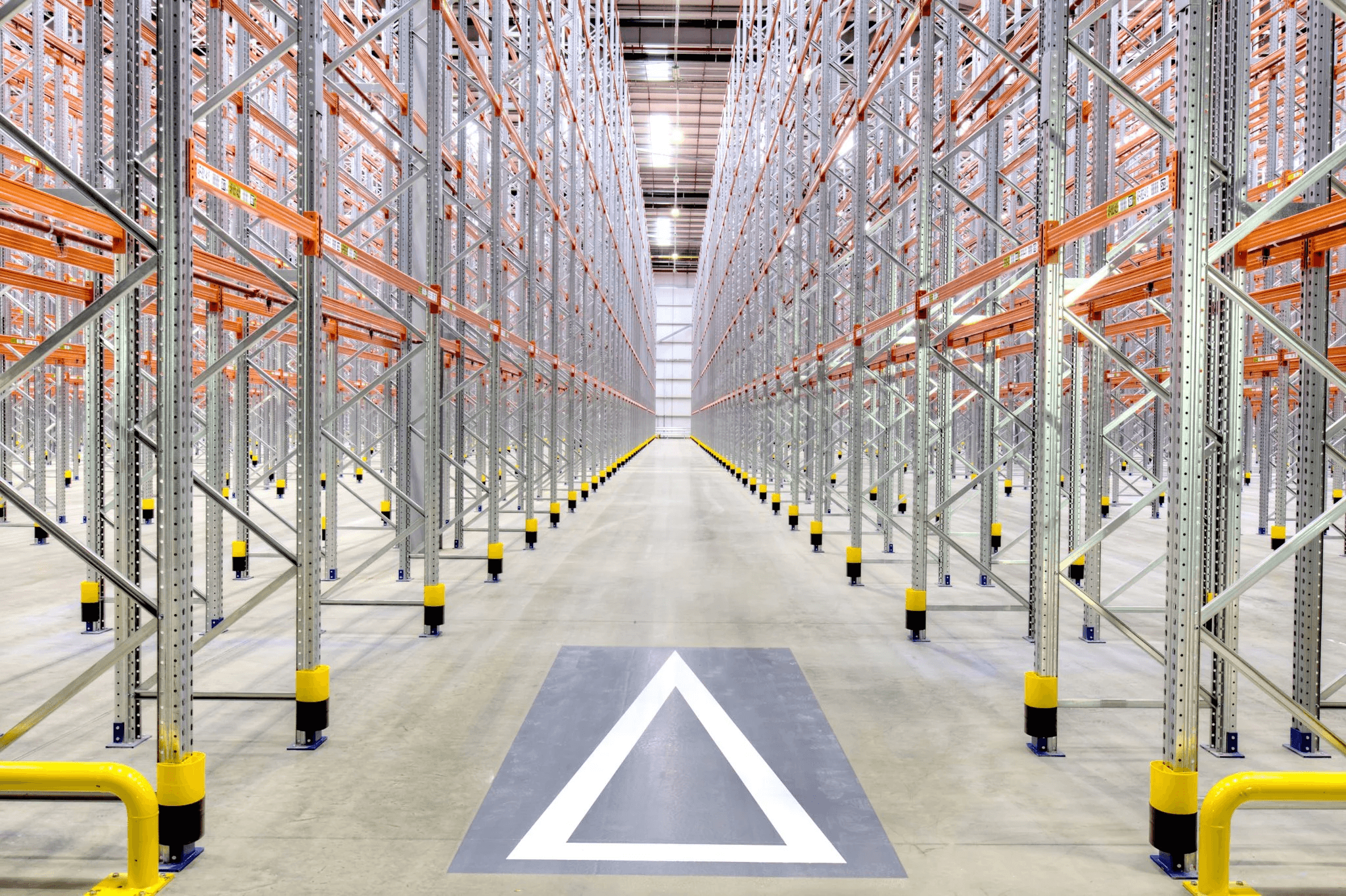
How to Plan a Pallet Racking System for a Growing Warehouse?
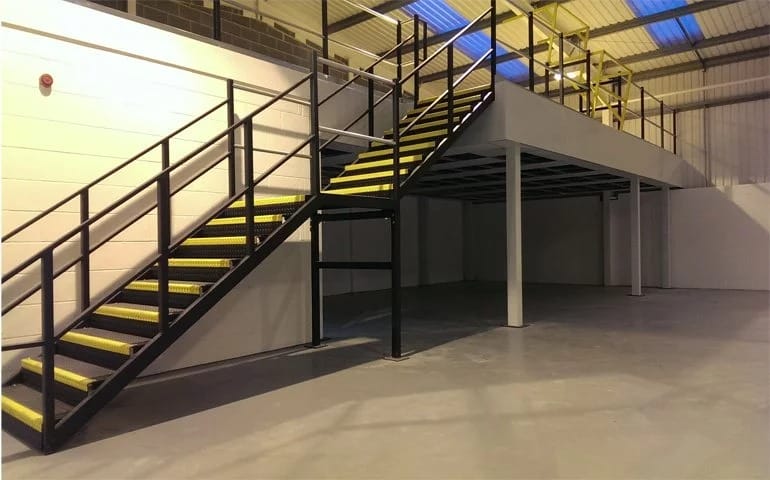
Can a Mezzanine Floor Help Your Business Avoid Moving to Larger Premises?
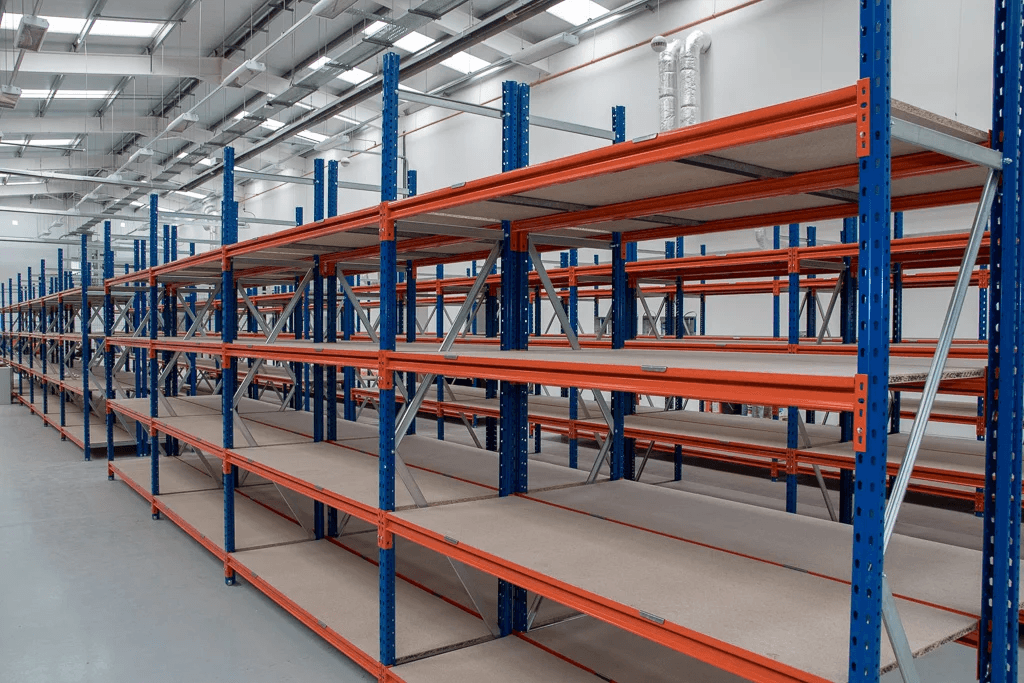
Why Are Annual Racking Inspections Essential for Warehouse Safety?